Kitchens continue to lead renovation investments in many homes today. For many homeowners, the kitchen is no longer only a place to cook. It is where people gather, connect, and spend time together. Because of this shift, the kitchen has become both a functional space and a design statement.
Stone surfaces play an important role in shaping today’s kitchens. Natural stone, quartz and porcelain combine durability with visual impact, which makes them ideal materials for spaces that must perform well every day while still looking exceptional.
Why Kitchens Continue to Lead Renovation Investments
The kitchen is one of the most used areas in any home. It supports cooking, entertaining, working and everyday routines. Because the kitchen is so active, homeowners often prioritize kitchen upgrades when planning renovations.
Surface materials influence how the kitchen looks and how it performs over time. Countertops, backsplashes and islands must withstand heat, spills and regular use while still maintaining their appearance. Materials such as granite, quartzite, quartz and porcelain help homeowners balance design and performance, which is why they remain popular choices.
From Safe Choices to Statement Kitchens
Kitchen design has evolved significantly. In the past, many homeowners selected neutral surfaces that blended quietly into the background. Today, designers and builders are embracing kitchens that make a statement.
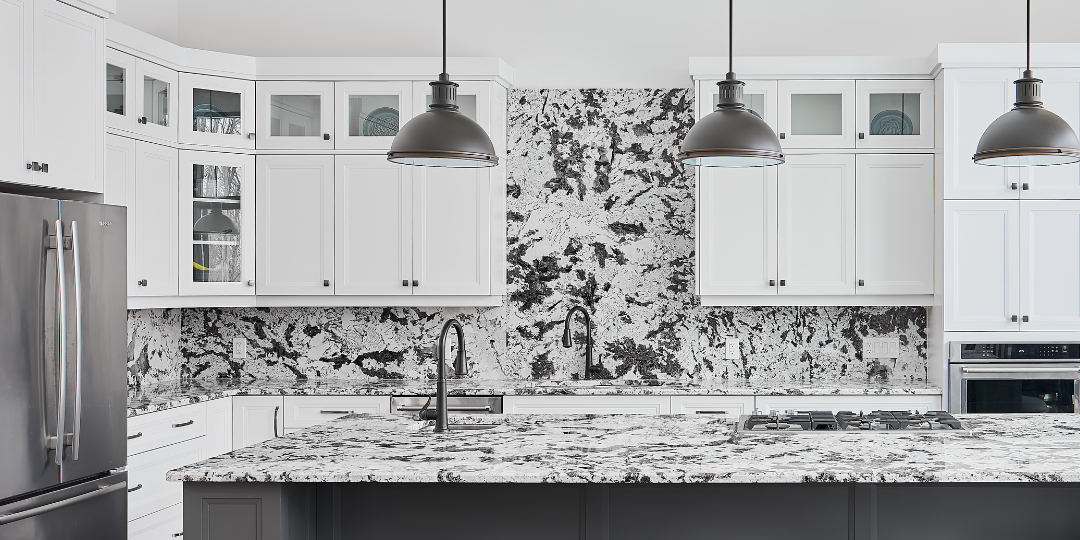
Large islands have become the visual centre of the room. Homeowners are choosing expressive slabs with movement, natural veining and rich tones. Instead of hiding the stone, these designs celebrate it.
Natural stone plays a central role in this shift. Granite, marble and quartzite each bring character that cannot be replicated. Each slab is unique, giving kitchens a sense of individuality and craftsmanship.
Kitchen Design Trends Using Stone
Several stone trends are shaping modern kitchens today.
- Waterfall islands remain one of the most requested features. Extending the stone down the sides of the island highlights the slab’s natural movement and creates a strong architectural presence.
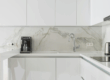
- Full-height slab backsplashes are also gaining popularity. Instead of traditional tile, many designers continue the countertop material up the wall. This creates a clean visual surface that allows the stone pattern to stand out.
Another trend is mixing stone with complementary materials. Wood cabinetry introduces warmth while matte metal fixtures add contrast and texture. These combinations help create kitchens that feel balanced, modern, and welcoming.
Choosing the Right Stone for Everyday Use
While aesthetics are important, the right surface must also perform well in a busy kitchen.
Granite and quartzite are natural stones known for their strength and heat resistance, making them well-suited for kitchen counters and islands.
Quartz is an engineered material made from natural quartz minerals and resins. It provides a consistent appearance and a non-porous surface that is easy to maintain.
Porcelain slabs offer a sleek, modern look and are highly durable. At Stonex, the ST Porcelain collection includes large-format slabs that replicate the appearance of natural stone while offering strong resistance to scratches, heat, and moisture.
Selecting the right finish can also influence how the surface performs. Polished finishes emphasize colour and pattern, while honed or leathered finishes provide a softer matte look that can help reduce visible marks in high-use areas.
Where Each Material Works Best
Different materials can excel in different parts of the kitchen.
Natural stone, such as granite and quartzite, works well for islands and counters where heat resistance and durability are important.
Quartz offers a practical solution for families who want easy maintenance and a consistent design.
Porcelain slabs are often used for backsplashes and vertical surfaces, where large-format panels create a continuous appearance with fewer seams.
Cost Installation and Long-Term Value
When choosing a surface, it is helpful to consider both the initial investment and the long-term value.
Quartz often provides predictable pricing and low maintenance. Natural stone can vary in cost depending on rarity and origin, but it offers timeless appeal and strong resale value.
Porcelain can be a cost-effective option for large wall surfaces because the panels can cover significant areas with minimal joints.
Installation requirements vary by material. Natural stone slabs are heavy and require professional templating and handling. Quartz fabrication is generally straightforward. Porcelain panels require experienced installers and specialized tools.
How Stonex Can Help
Choosing the right surface is easier when you can see the materials in person. Stonex offers a curated selection of natural stone, quartz and porcelain surfaces sourced from around the world.
Homeowners, designers and builders visit Stonex showrooms to compare slabs, explore finishes and speak with knowledgeable staff about their projects.
If you are planning a kitchen renovation, visit a Stonex showroom to explore kitchen slabs and discover the materials designers and homeowners are choosing today.